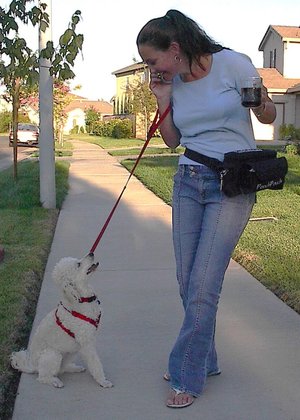
Why Dog Urine Turns Grass Yellow and How to Fix It
You reseed the yellow patches, and they come back. You water more, and they still come back.
If that cycle sounds familiar, you are not dealing with a lawn problem. Instead, you are dealing with a soil problem that builds quietly underneath the surface, week after week.
Once you understand what is happening, the fixes start to make a lot more sense.
Why Does Dog Urine Turn Grass Yellow?
Grass needs nitrogen to grow and stay green. In fact, lawn fertilizers list nitrogen as their top ingredient for exactly that reason.
However, dog urine delivers nitrogen in a far higher concentration than grass roots can handle. On top of that, dogs return to the same spots repeatedly, so the buildup never gets a chance to clear.
When nitrogen overloads the soil, the roots lose their ability to pull moisture evenly. As a result, the blades dry out from the center outward. Eventually, the middle section dies and turns yellow.
Here is the part that confuses most homeowners.
A dark green ring often forms around the yellow center. Though it looks like recovery, it is not.
The outer fringe only catches the edges of the exposure, so the nitrogen level there is low enough to boost growth. The center absorbs the full hit, and that is what kills it. This is why the darkest green ring and the deadest patch always appear together. They come from the same source, just at different strengths.
Why Do Some Dogs Damage Lawns More Than Others?
Not every dog causes equal damage, and the reasons are simple.
Female dogs squat in one spot rather than marking multiple points, so the nitrogen lands in a single concentrated area every time. On the other hand, large breeds such as Labrador or Great Dane, release more volume, which pushes more nitrogen into the soil with each visit.
Besides, hydration plays a bigger role than most people expect. A dog that drinks less water produces more concentrated urine. During hot weather, that concentration climbs even higher because the dog naturally takes in less water relative to what it loses.
In addition, diet matters too. Dogs that consume high-protein food excrete more nitrogen as waste. Some products claim to reduce lawn damage by changing urine pH, but nitrogen concentration is what actually causes the burn, not pH. And, the evidence behind most of those supplements is thin.
Why Does the Same Spot Keep Dying After You Reseed?
Dogs return to familiar spots because scent compounds stay trapped in the soil long after the grass dies. So reseeding alone rarely breaks the cycle. The dog comes back, and the damage starts over.
Underneath the surface, a second problem grows alongside the visible one. Repeated nitrogen exposure causes salt buildup in the soil. Over time, compaction sets in, drainage slows, and oxygen circulation around the roots drops. At that point, even healthy grass struggles to grow because the soil conditions themselves have deteriorated.
Heavily used areas often develop several other problems, including lingering odor, poor drainage, and increased insect activity. Many homeowners focus only on the visible yellow patches and miss the broader soil health problem building beneath them.
How to Stop Dog Urine from Killing Your Grass
Start with the simplest change first.
Focus on improving the hydration of your dog because it helps dilute your dog’s urine before it ever reaches the grass. Adding an outdoor water bowl during warm months costs almost nothing, yet it noticeably reduces damage over time.
Next, rotate the bathroom area. Dogs revisit spots out of habit, so breaking that habit gives stressed turf time to recover. Some homeowners create a designated gravel or mulch section near a side yard. Those surfaces handle repeated use without dying, and they redirect traffic away from the lawn entirely.
When you do water after your dog urinates, do it quickly. Fresh water dilutes nitrogen before the soil fully absorbs it. That said, watering alone cannot keep up with daily use in the same location. It helps most when you do it with the habit changes above.
For areas with long-term damage, aerating the soil restores oxygen and improves drainage. Follow aeration with fresh seed, and choose your grass variety carefully. For example, tall fescue and perennial ryegrass bounce back faster than Kentucky bluegrass because their root systems recover better under concentrated stress.
Does Backyard Hygiene Make a Difference?
Yellow grass usually signals something larger developing underneath the surface. Areas with concentrated waste tend to stay wet after rain, hold odor longer, and attract more flies. These are not separate problems. They all trace back to repeated exposure, changing how that part of the yard drains and breaks down organic material.
Cleaner waste management routines make a genuine difference, not just for the lawn but for the whole outdoor space. A yard that drains well, stays odor-free, and recovers from use becomes more enjoyable for the family and easier to maintain season after season.
Start with One Change and Build from There
Yellow lawn patches from dog urine frustrate so many pet owners because the damage feels random. In reality, nitrogen buildup, compacted soil, poor hydration habits, and repeated bathroom zones work together to create the problem. So addressing just one of them rarely gets lasting results.
The good news is that you do not need to overhaul everything at once. Start by improving your dog's hydration. Then redirect bathroom habits to a designated area. Add aeration and better grass seed to any patches that need recovery. Build on each change consistently, and within a season, your lawn will respond.
If you want your backyard to stay green, healthy, and genuinely usable throughout the year, these habits are worth adopting.