
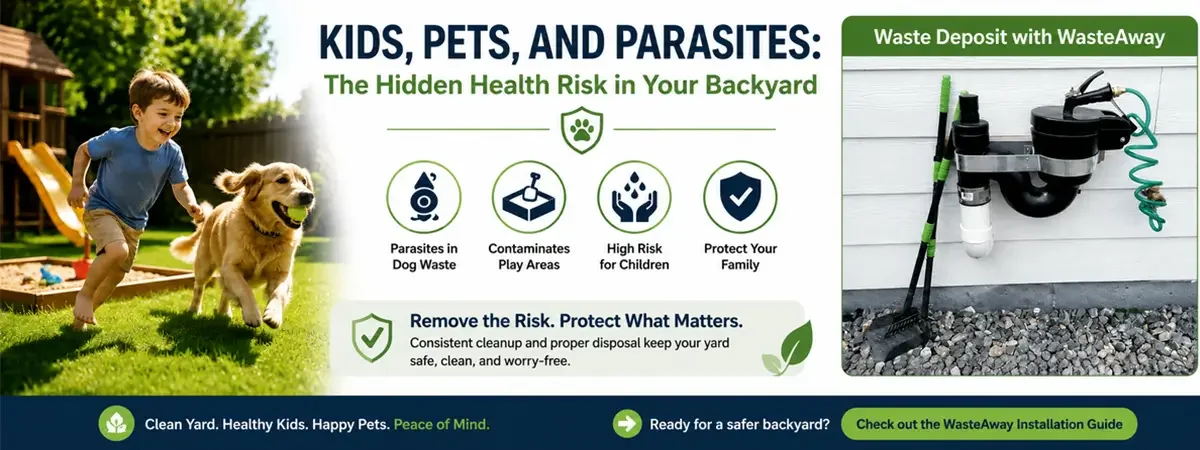
Kids, Pets, and Parasites: The Hidden Health Risk in Your Backyard
Dog waste left in the yard can carry roundworms, hookworms, and whipworms, parasites that pose a real risk to children who play barefoot or dig in the soil. Learn how these parasites spread, why sandboxes and garden beds carry extra risk, and how proper waste disposal keeps your backyard genuinely safe for kids and pets.
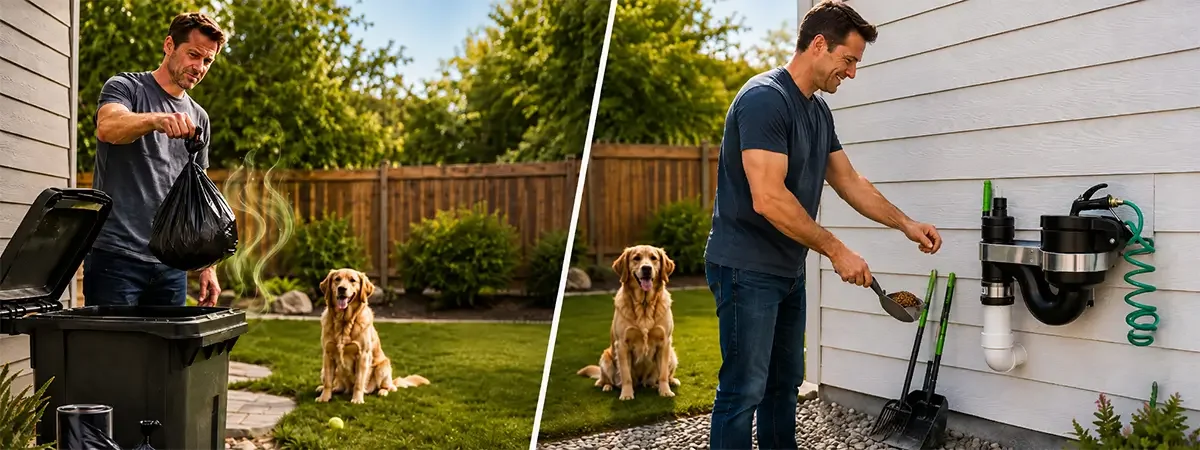
Bagged vs. Flushable Dog Waste Disposal: Which Is Actually Better?
Bagging dog waste is simple to start, but it comes with a cost that adds up: recurring bag purchases, odor that builds fast in summer heat, and plastic that never truly breaks down in a landfill. This post compares bagging to flushable systems like WasteAway side by side, covering cost, hygiene, and where the waste actually ends up, so homeowners can decide which method really fits a yard used every day.
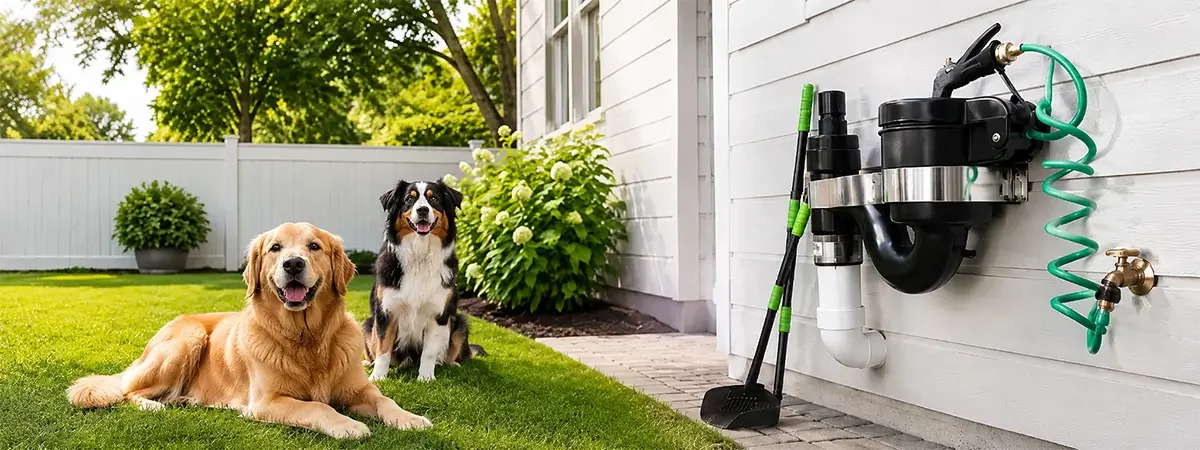
Why Flushable Pet Waste Disposal Is the Next Step in Sustainable Dog Care
Flushable pet waste disposal gives dog owners a cleaner way to handle daily waste after pickup. Instead of storing dog poop in plastic bags and trash bins, systems like WasteAway by PetHabitats move waste through a sewer-connected route, supporting cleaner yards, fewer odors, and more practical, sustainable dog care.
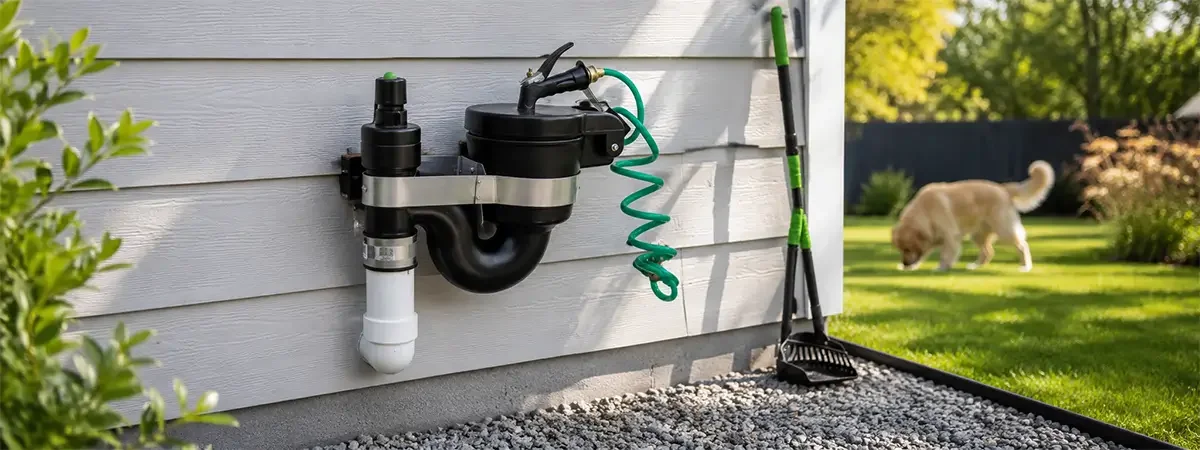
WasteAway Pet Waste Disposal System: Stop Storing Dog Poop in Trash
WasteAway by PetHabitats helps dog owners move beyond the old bag-and-bin routine. This sewer-connected pet waste disposal system lets homeowners flush dog waste instead of storing it beside the house, reducing trash-bin odor, plastic-heavy cleanup habits, and backyard hygiene concerns.
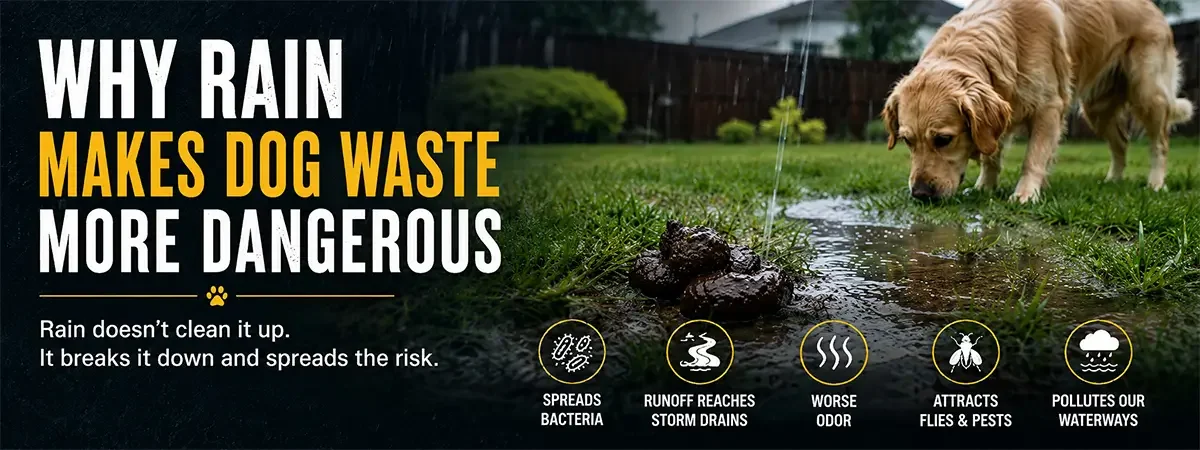
Why Rain Makes Dog Waste More Dangerous
Rain and dog waste may seem like a small backyard issue, but storms can break feces apart, spread bacteria, worsen odor, and move contamination into soil, grass, patios, and storm drains. This article explains why rainy weather makes dog waste more risky and how better disposal habits help keep yards cleaner.
Dog Poop Bacteria in Your Backyard: Risks You Miss
Most dog owners clean what they can see and assume the yard is safe. But bacteria in the dog poop do not stay in one spot. They travel through paws, irrigation water, flies, and even indoor air, turning a routine cleanup problem into a whole-yard health concern backed by peer-reviewed science.